

Aauthor Name : Mohd Zaki , Published on : Tuesday 19th of May 2026 06:17:06 PM
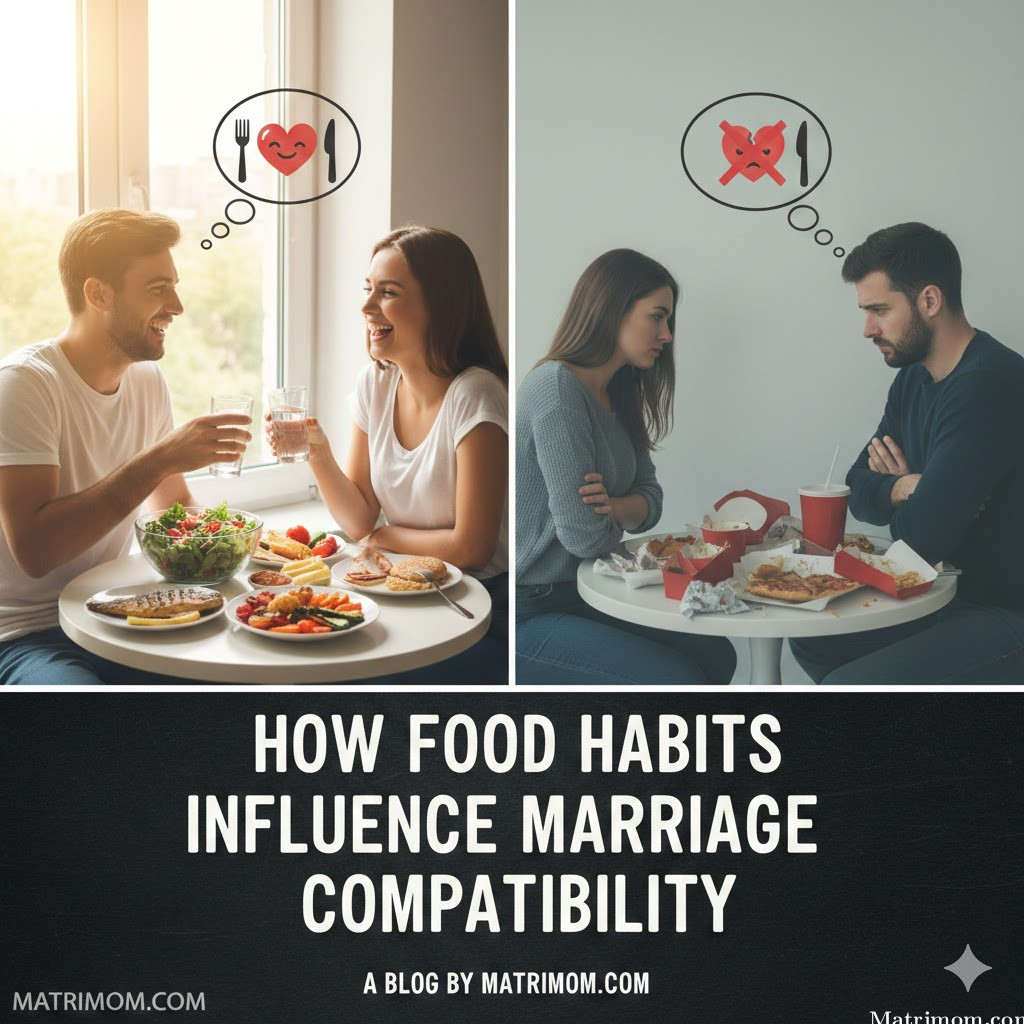
Food is more than just a daily necessity — it reflects lifestyle, culture, health choices, traditions, and emotional comfort. In marriage, food habits can influence everyday routines, bonding, communication, and long-term harmony. Couples who understand and respect each other’s food preferences often enjoy smoother daily life and stronger emotional connection.
At matrimom.com, we help individuals find compatible partners who align not only emotionally but also in lifestyle habits — including food preferences that create comfort and balance in married life.
Food habits reveal many aspects of a person’s personality and lifestyle.
They influence:
✔ Daily meal routines
✔ Health and fitness priorities
✔ Cooking habits and responsibilities
✔ Family traditions and celebrations
✔ Social gatherings and outings
✔ Spending patterns related to dining
When couples share similar food habits, everyday life feels more comfortable and natural.
Many couples discover differences in eating habits after marriage.
Common differences include:
✔ Vegetarian vs non-vegetarian lifestyle
✔ Spicy food vs mild food preference
✔ Healthy eating vs casual eating habits
✔ Home-cooked meals vs frequent outside food
✔ Early dining vs late-night eating routines
✔ Religious or cultural dietary practices
These differences are normal, but understanding and adjustment are important for harmony.
Food habits shape many daily experiences between couples.
They impact:
✔ Grocery shopping and meal planning
✔ Dining schedules and routines
✔ Restaurant choices and outings
✔ Family gatherings and celebrations
✔ Health and wellness goals
✔ Emotional bonding during shared meals
Simple routines like eating together can strengthen emotional connection and comfort.
Before choosing a life partner, it’s important to understand your own lifestyle habits.
Ask yourself:
✔ Do you prefer home-cooked meals or outside food?
✔ Are health and nutrition very important to you?
✔ Do you follow specific dietary rules?
✔ Is eating together important in your routine?
✔ Do you enjoy cooking or prefer shared responsibilities?
Self-awareness helps you identify compatibility more clearly.
Food compatibility becomes easier through open conversations.
Discuss topics like:
✔ Favorite cuisines and eating habits
✔ Comfort with vegetarian or non-vegetarian food
✔ Health and fitness routines
✔ Family food traditions
✔ Flexibility with different eating styles
✔ Cooking expectations after marriage
Respectful communication helps couples adjust smoothly and avoid future misunderstandings.
Food often carries emotional value and family memories.
Shared meals can:
✔ Create comfort and closeness
✔ Strengthen family bonding
✔ Improve communication
✔ Build traditions together
✔ Create joyful memories
Couples who enjoy spending time together around food often feel emotionally more connected.
Perfect similarity is not always necessary.
Successful couples learn to:
✔ Respect each other’s choices
✔ Avoid forcing preferences
✔ Find balanced meal solutions
✔ Stay open-minded and flexible
✔ Support each other’s health goals
Mutual respect matters more than complete similarity.
Food compatibility contributes to:
✔ Smoother daily routines
✔ Better emotional bonding
✔ Fewer lifestyle conflicts
✔ Easier family adjustment
✔ Shared enjoyment during meals and outings
✔ Long-term comfort and understanding
Small lifestyle compatibility often creates big emotional peace in marriage.
Food is a daily part of married life, and compatible food habits can make relationships feel easier, warmer, and more balanced. Whether couples share the same preferences or learn to respect differences, understanding each other’s lifestyle choices creates long-term harmony.
At matrimom.com, we help individuals find partners whose values, lifestyle choices, and personal habits align naturally — building marriages rooted in comfort, understanding, and lasting companionship.
Compatibility is not always about grand similarities. Sometimes, sharing simple daily habits — like enjoying meals together — creates the strongest emotional bond.
Food habits influence daily routines, lifestyle comfort, health choices, family traditions, and emotional bonding between couples.
Yes. Mutual respect, flexibility, and understanding help couples manage different food habits peacefully.
They affect cooking routines, restaurant choices, meal timing, grocery planning, and family celebrations.
Yes. Open discussion about eating habits, dietary choices, and lifestyle preferences prevents future misunderstandings.
For many people, it can be an important lifestyle and cultural factor. Respect and communication help manage differences successfully.
Eating together improves communication, emotional bonding, comfort, and family connection.
matrimom.com helps individuals connect with partners based on shared values, lifestyle habits, cultural preferences, and long-term compatibility goals.
👋 Hi! What’s your name?