

Aauthor Name : Mohd Zaki , Published on : Friday 22nd of May 2026 05:28:06 PM
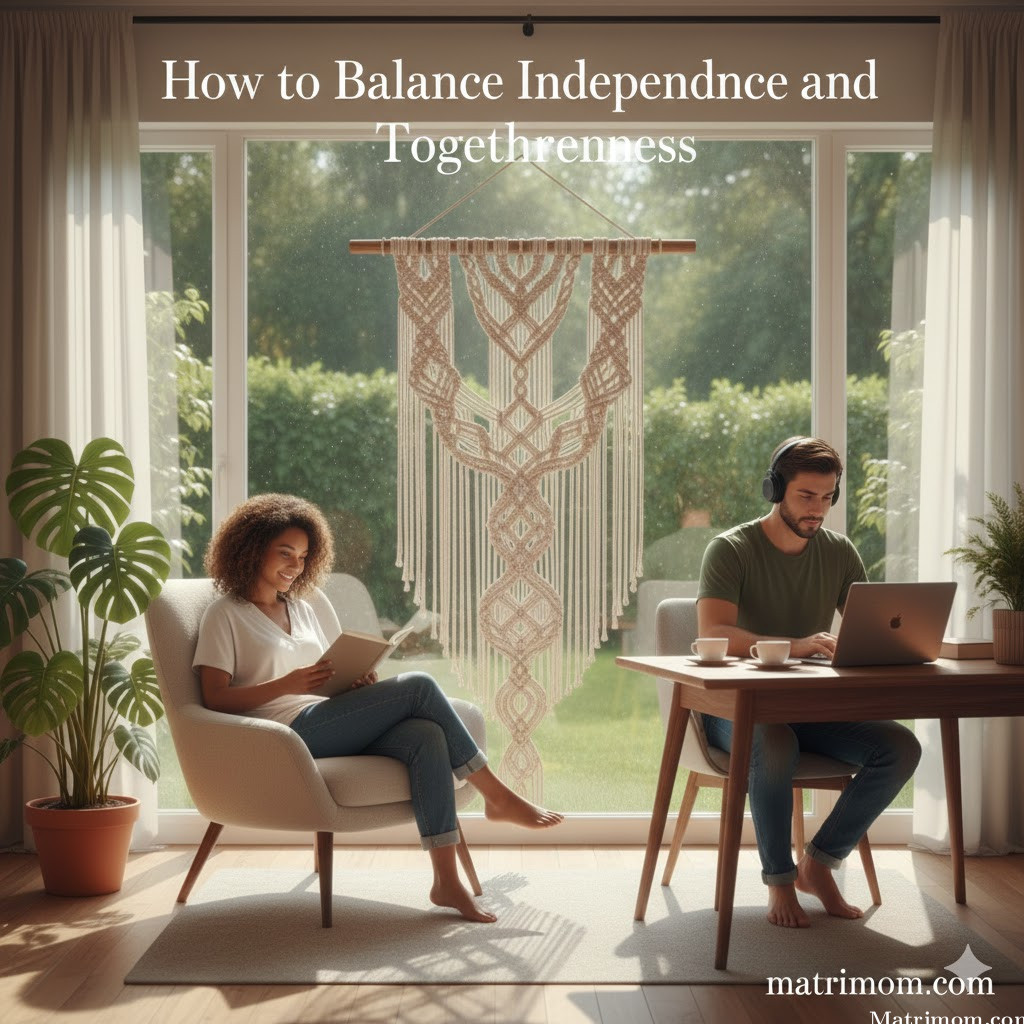
A healthy relationship is built on both emotional closeness and personal individuality. While love brings two people together, maintaining personal independence is equally important for long-term happiness and emotional balance. Strong couples understand how to stay connected without losing their individuality.
At matrimom.com, we believe lasting relationships grow when partners support each other’s personal growth while building a strong emotional connection together.
⭐ 1. Why Balance Matters in a Relationship
Too much emotional distance can weaken connection, while too much dependence can create pressure and emotional exhaustion.
A healthy balance helps couples:
✔ Maintain emotional closeness
✔ Respect individuality
✔ Avoid unhealthy dependency
✔ Build mutual trust
✔ Encourage personal growth
✔ Create a stronger partnership
Balanced relationships feel secure, supportive, and emotionally healthy.
⭐ 2. Understanding Independence in a Relationship
Independence does not mean emotional distance. It means maintaining your identity while being committed to your partner.
Healthy independence includes:
✔ Personal hobbies and interests
✔ Career goals and ambitions
✔ Friendships and social life
✔ Personal opinions and individuality
✔ Emotional self-awareness
✔ Personal growth and self-care
Independent individuals often bring more confidence and emotional stability into relationships.
⭐ 3. Understanding Togetherness
Togetherness creates emotional connection and strengthens the bond between partners.
Healthy togetherness includes:
✔ Quality time together
✔ Emotional support
✔ Shared goals and routines
✔ Open communication
✔ Mutual trust and care
✔ Shared experiences and memories
Togetherness helps couples feel emotionally connected and secure.
⭐ 4. Respect Personal Space
Personal space is essential in every healthy relationship.
Respecting space means:
✔ Allowing alone time when needed
✔ Respecting personal interests
✔ Avoiding constant control or monitoring
✔ Understanding emotional boundaries
✔ Supporting individuality
Space helps people recharge emotionally and maintain balance.
⭐ 5. Communicate Expectations Clearly
Every couple has different comfort levels regarding independence and closeness.
Important conversations include:
✔ Time spent together
✔ Social boundaries
✔ Personal priorities
✔ Communication habits
✔ Individual goals
✔ Emotional needs
Clear communication prevents misunderstandings and emotional frustration.
⭐ 6. Support Each Other’s Growth
Healthy couples encourage personal success instead of feeling threatened by it.
Support may include:
✔ Encouraging career growth
✔ Respecting personal dreams
✔ Celebrating achievements
✔ Supporting healthy hobbies
✔ Motivating self-improvement
Partners who grow individually often strengthen the relationship together.
⭐ 7. Avoid Emotional Dependency
Love should feel supportive, not emotionally overwhelming.
Unhealthy dependency may involve:
✔ Needing constant attention
✔ Fear of personal space
✔ Losing personal identity
✔ Overdependence for happiness
✔ Lack of emotional balance
Healthy relationships allow both individuals to feel emotionally secure independently.
⭐ 8. Create Shared Experiences Together
Balancing independence does not mean growing apart.
Couples should still:
✔ Spend meaningful time together
✔ Build shared traditions
✔ Travel or explore together
✔ Discuss goals regularly
✔ Enjoy simple daily moments
Shared experiences strengthen emotional closeness.
⭐ 9. Build Trust and Emotional Security
Trust makes independence easier in relationships.
Emotionally secure couples:
✔ Respect each other’s freedom
✔ Avoid unnecessary jealousy
✔ Communicate honestly
✔ Feel secure without constant reassurance
✔ Support healthy boundaries
Trust creates both freedom and closeness together.
⭐ 10. Balance Changes Over Time
Relationship balance may shift during different phases of life.
Work, family, stress, or personal goals may require adjustments.
Healthy couples:
✔ Adapt together
✔ Revisit boundaries regularly
✔ Stay emotionally flexible
✔ Support changing needs
✔ Continue communicating openly
Balance grows stronger through understanding and teamwork.
🌟 Conclusion: Healthy Love Gives Both Freedom and Connection
The strongest relationships are not built on control or emotional dependence — they are built on trust, respect, individuality, and emotional closeness. When couples balance independence with togetherness, they create relationships that feel secure, peaceful, and emotionally fulfilling.
At matrimom.com, we help individuals connect with compatible partners who value emotional maturity, healthy communication, mutual respect, and long-term relationship balance.
A healthy relationship allows both partners to grow individually while continuing to grow stronger together.
Independence helps individuals maintain personal identity, emotional balance, confidence, and healthy personal growth.
Togetherness means emotional connection, quality time, mutual support, trust, and shared experiences between partners.
Yes. Emotional overdependence can create pressure, insecurity, lack of personal growth, and unhealthy relationship dynamics.
By respecting boundaries, supporting personal interests, allowing alone time, and communicating openly about needs.
Communication helps couples understand each other’s expectations regarding time, space, emotional needs, and priorities.
By supporting individual growth while continuing to spend meaningful time together and maintaining emotional connection.
matrimom.com connects individuals through verified profiles, compatibility-focused matchmaking, shared values, and relationship-oriented matching experiences.
👋 Hi! What’s your name?