

Aauthor Name : Mohd Zaki, Published on : Tuesday 26th of May 2026 05:05:51 PM
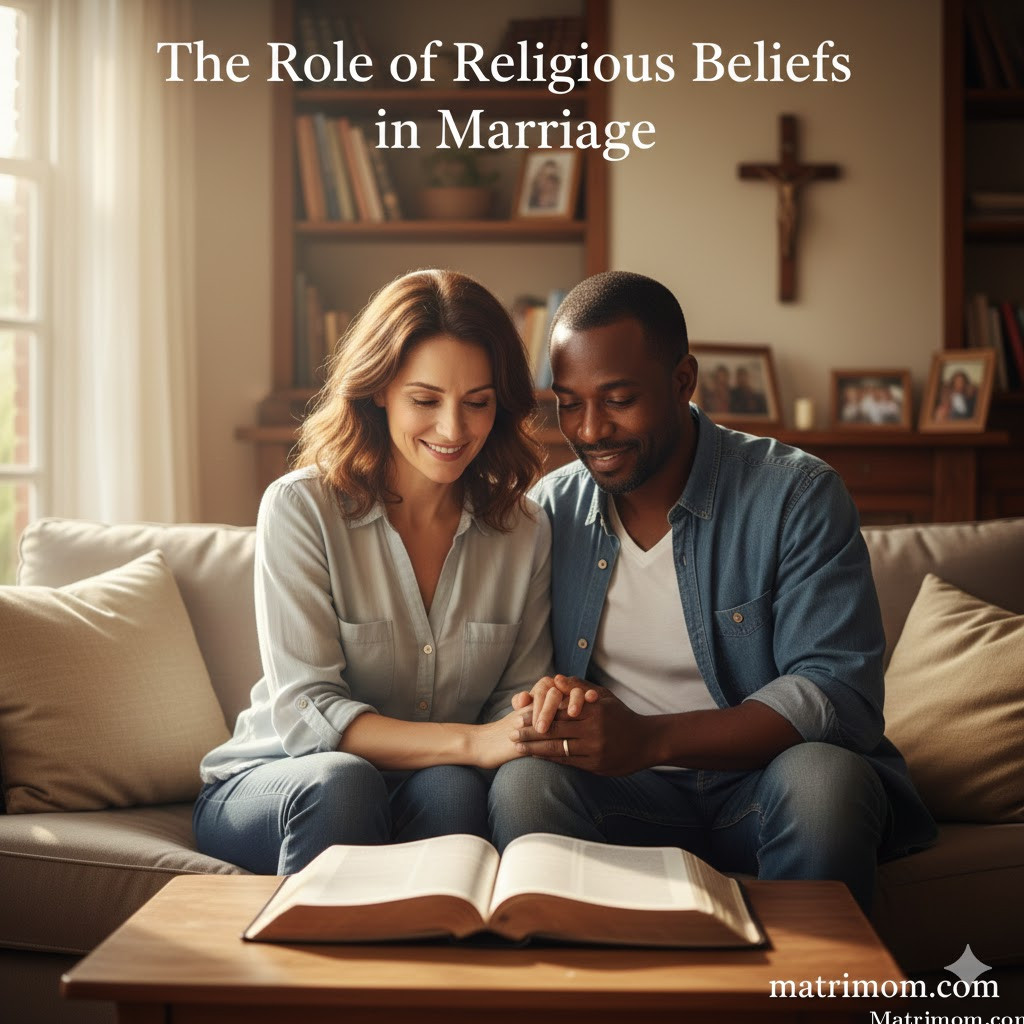
Religious beliefs often play a significant role in shaping marriage, family life, personal values, and long-term relationship expectations. Shared faith and spiritual understanding can strengthen emotional connection, trust, communication, and family harmony between couples. While every relationship is unique, understanding each other’s beliefs helps create deeper respect and compatibility.
At matrimom.com, we help individuals build meaningful relationships through compatibility, shared values, emotional maturity, and long-term commitment.
⭐ 1. Religious Beliefs Shape Personal Values
Faith often influences how individuals view relationships and family life.
Religious values may affect:
✔ Honesty and integrity
✔ Respect and kindness
✔ Family responsibilities
✔ Lifestyle choices
✔ Moral principles
✔ Long-term life goals
Shared values strengthen relationship stability.
⭐ 2. Shared Faith Can Strengthen Emotional Connection
Couples with similar beliefs often feel emotionally aligned.
Shared spiritual connection may create:
✔ Stronger emotional comfort
✔ Deeper understanding
✔ Shared life direction
✔ Emotional peace
✔ Mutual encouragement
Faith-based understanding strengthens emotional bonding.
⭐ 3. Religion Influences Marriage Expectations
Religious beliefs may shape expectations about married life.
Important areas include:
✔ Family roles
✔ Parenting values
✔ Communication styles
✔ Religious practices
✔ Cultural traditions
Discussing expectations early helps avoid misunderstandings later.
⭐ 4. Shared Religious Practices Build Unity
Many couples strengthen bonding through shared spiritual habits.
Examples include:
✔ Praying together
✔ Attending religious gatherings
✔ Celebrating religious events
✔ Following spiritual routines
✔ Teaching faith-based values to children
Shared practices create emotional and spiritual closeness.
⭐ 5. Religious Beliefs Affect Family Traditions
Marriage often connects families with cultural and spiritual traditions.
Important areas may include:
✔ Wedding customs
✔ Family celebrations
✔ Religious holidays
✔ Lifestyle expectations
✔ Community involvement
Understanding traditions supports family harmony.
⭐ 6. Faith Can Provide Emotional Strength During Challenges
Religious beliefs often help couples manage difficult situations positively.
Faith may encourage:
✔ Patience
✔ Forgiveness
✔ Hope
✔ Emotional resilience
✔ Compassion and understanding
Spiritual support strengthens relationships during stressful times.
⭐ 7. Respect Matters Even With Different Beliefs
Some couples may come from different religious backgrounds.
Healthy relationships require:
✔ Respectful communication
✔ Open-minded discussions
✔ Understanding differences calmly
✔ Respect for personal beliefs
✔ Emotional maturity and patience
Mutual respect protects emotional connection.
⭐ 8. Honest Discussions About Beliefs Are Important
Couples should openly discuss religious expectations before marriage.
Important discussions include:
✔ Religious practices
✔ Children’s upbringing
✔ Family traditions
✔ Lifestyle boundaries
✔ Future expectations
Clear communication improves compatibility and understanding.
⭐ 9. Shared Values Matter More Than External Pressure
Healthy relationships focus on mutual respect and compatibility rather than social pressure alone.
Strong relationships are built through:
✔ Shared understanding
✔ Emotional support
✔ Honest communication
✔ Respect for values
✔ Long-term commitment
Balanced compatibility strengthens marriage stability.
⭐ 10. Spiritual Compatibility Supports Long-Term Harmony
Spiritual alignment often helps couples feel emotionally connected over time.
Healthy spiritual compatibility supports:
✔ Shared goals
✔ Family harmony
✔ Emotional security
✔ Long-term commitment
✔ Peaceful relationship environment
Shared faith can strengthen partnership deeply.
🌟 Conclusion: Faith and Understanding Strengthen Marriage
Religious beliefs can positively shape communication, emotional connection, family traditions, and long-term compatibility in marriage. Whether couples share the same faith or respectfully understand differences, emotional maturity and mutual respect remain essential for a healthy relationship.
At matrimom.com, we help individuals connect with compatible partners who value emotional maturity, shared values, communication, trust, and meaningful long-term relationships.
Pro Tip:
Healthy marriages grow stronger when couples respect each other’s beliefs, values, and emotional needs with understanding and sincerity.
Q: Why are religious beliefs important in marriage?
A: Religious beliefs influence values, communication, family traditions, and long-term relationship expectations.
Q: How can shared faith strengthen relationships?
A: Shared faith creates emotional connection, spiritual understanding, and stronger family harmony.
Q: Why should couples discuss religious expectations before marriage?
A: Open discussions help avoid misunderstandings about traditions, family roles, and future expectations.
Q: Can couples with different beliefs have healthy marriages?
A: Yes. Respect, communication, and emotional maturity help couples manage differences positively.
Q: How do shared religious practices improve bonding?
A: Shared spiritual routines create emotional closeness, comfort, and stronger partnership.
Q: Why is respect important in spiritually different relationships?
A: Respect protects emotional connection and helps couples communicate peacefully despite differences.
Q: How does matrimom.com help people find compatible partners?
A: matrimom.com connects individuals through verified profiles, compatibility-focused matchmaking, shared values, and relationship-oriented experiences.
👋 Hi! What’s your name?