

Aauthor Name : Mohd Zaki, Published on : Saturday 9th of May 2026 06:08:57 PM
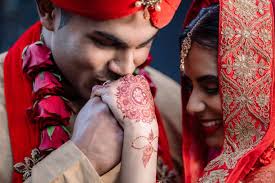
Relationships have changed significantly over the years. Modern couples often value independence, open communication, emotional expression, and personal growth more than previous generations. While these changes have created healthier and more balanced partnerships in many ways, traditional marriages still offer important lessons that remain valuable today.
Traditional marriages were often built on patience, commitment, family support, and long-term stability. Even though lifestyles and expectations have evolved, many of the principles that helped older generations maintain strong relationships continue to be relevant in modern married life.
The healthiest relationships today are often those that successfully combine modern understanding with timeless relationship values.
One of the strongest lessons from traditional marriages is the importance of commitment. Older generations often viewed marriage as a lifelong responsibility that required effort, loyalty, and consistency during both good and difficult times.
Modern relationships sometimes focus heavily on emotions and instant happiness. However, emotions naturally change over time. Lasting relationships are usually built through:
Strong marriages grow when both partners remain committed even during stressful or imperfect moments.
Traditional couples often understood that emotional connection develops gradually. Instead of expecting instant perfection, many relationships were built slowly through shared experiences, trust, and time.
Patience helps couples:
Modern couples can benefit from allowing relationships to grow naturally instead of placing pressure on immediate perfection or constant excitement.
Respect has always been one of the most important foundations of successful marriage. Traditional relationships placed great value on treating each other with dignity, kindness, and consideration.
Respect in modern relationships includes:
When respect remains stronger than ego, couples usually maintain healthier communication and stronger emotional trust.
Traditional marriages often emphasized strong family involvement and community support. While modern couples may prefer more privacy and independence, healthy family relationships can still provide emotional comfort and guidance.
Supportive family connections often help:
Balancing independence with respectful family relationships can help couples create a more peaceful and supportive married life.
Older marriages often had clearly defined roles and responsibilities within the household. Modern relationships are more flexible, which allows couples to divide responsibilities based on mutual understanding and personal strengths.
However, the lesson remains the same: relationships become healthier when responsibilities are shared fairly and respectfully.
This may include:
Teamwork reduces resentment and helps both partners feel valued and supported.
Traditional couples often understood the importance of compromise and flexibility. Long-lasting marriages usually require both individuals to adjust, listen, and meet each other halfway at times.
Healthy compromise does not mean losing your identity or personal values. Instead, it means prioritizing the relationship and finding balanced solutions that respect both partners.
Compromise helps couples:
Relationships grow stronger when both individuals focus on understanding instead of always trying to win arguments.
Traditional marriages were rarely perfect, but many were emotionally stable and dependable. Stability creates emotional safety, trust, and long-term peace within a relationship.
Modern couples can sometimes feel pressure to maintain constant excitement or unrealistic standards. However, stable relationships are usually built through:
A peaceful and secure relationship often becomes more valuable over time than temporary excitement.
One of the strongest principles in traditional marriages was the importance of shared values. Families often prioritized compatibility in areas such as culture, character, family vision, ethics, and long-term life goals.
Even in modern relationships, shared values continue to play a major role in long-term compatibility. Couples who agree on important aspects of life are often better prepared to handle challenges together.
Compatibility is not only about hobbies or preferences — it is also about emotional understanding, respect, priorities, and life vision.
Modern relationships bring many positive qualities, including emotional openness, equality, and greater personal freedom. Traditional marriages offer lessons in stability, patience, respect, and commitment.
The strongest relationships today are often those that successfully blend both approaches. Couples who combine emotional expression with traditional values often create marriages that are:
This balance helps relationships remain healthy while adapting to modern lifestyles and expectations.
Traditional marriages continue to offer valuable lessons for modern couples seeking meaningful and lasting relationships. While society and relationship dynamics have evolved, qualities such as commitment, patience, respect, compromise, and shared values remain timeless foundations of healthy marriage.
Modern couples do not need to choose between tradition and progress. Instead, they can create stronger partnerships by combining emotional understanding, independence, stability, and mutual respect.
Platforms like matrimom.com help individuals find compatible life partners based on deeper values, emotional maturity, and long-term relationship goals — supporting relationships built for lasting happiness and understanding.
👋 Hi! What’s your name?