

Aauthor Name : mohd zaki, Published on : Tuesday 19th of May 2026 05:36:35 PM
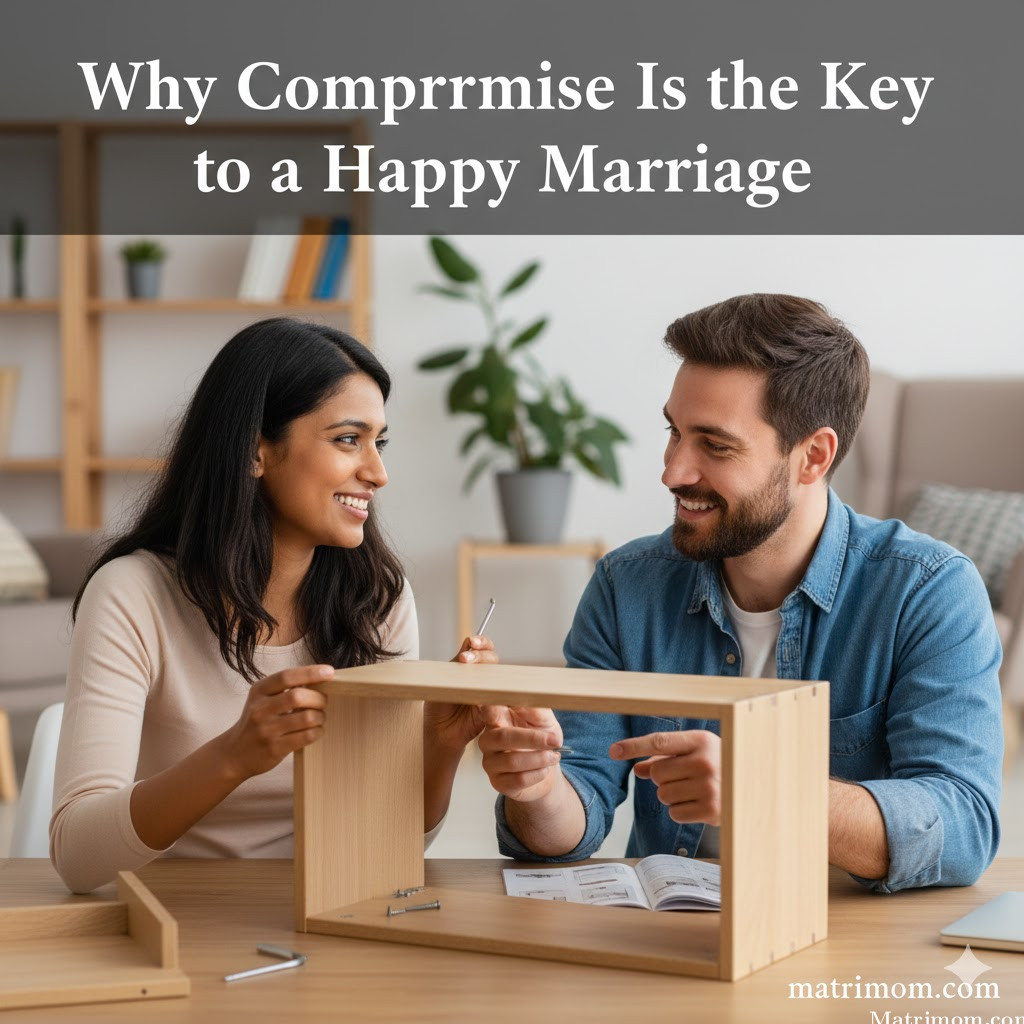
A successful marriage is not built on perfection — it is built on understanding, adjustment, patience, and mutual respect. Every couple has differences in personality, habits, opinions, and lifestyles. The ability to compromise helps partners live together peacefully while strengthening emotional connection and trust.
At matrimom.com, we help individuals build meaningful relationships rooted in compatibility, emotional maturity, and mutual understanding — creating the foundation for a peaceful and long-lasting marriage.
Many people misunderstand compromise as losing or sacrificing their happiness.
But healthy compromise actually means:
✔ Meeting each other halfway
✔ Respecting different perspectives
✔ Choosing understanding over ego
✔ Finding balanced solutions together
✔ Prioritizing the relationship over winning arguments
Compromise is not about changing your identity — it is about protecting harmony in the relationship.
Marriage involves two individuals with different experiences and expectations. Compromise helps couples:
✔ Reduce unnecessary conflicts
✔ Improve emotional understanding
✔ Build trust and teamwork
✔ Make both partners feel valued
✔ Strengthen emotional security
When both partners compromise fairly, the relationship becomes healthier and more balanced.
Compromise becomes successful when communication is respectful and honest.
Couples should:
✔ Express feelings calmly
✔ Listen without interrupting
✔ Understand each other’s concerns
✔ Avoid blame or harsh language
✔ Focus on finding solutions together
Good communication turns disagreements into opportunities for growth.
Every marriage requires adjustments in different areas of life, such as:
✔ Daily routines and habits
✔ Financial planning and spending
✔ Family involvement and expectations
✔ Career and work-life balance
✔ Parenting decisions
✔ Lifestyle preferences
Small compromises in daily life help build long-term peace and understanding.
Emotionally mature couples understand that relationships require flexibility.
Healthy compromise teaches partners to:
✔ Be patient during disagreements
✔ Respect emotional needs
✔ Think beyond personal comfort
✔ Handle stress with understanding
✔ Work as a team during challenges
This emotional maturity creates stability and long-term happiness.
Healthy compromise feels balanced and respectful.
Healthy compromise includes:
✔ Mutual effort
✔ Respect for boundaries
✔ Open discussions
✔ Equal consideration
Unhealthy compromise includes:
✘ Feeling controlled
✘ Ignoring personal dignity
✘ Constant one-sided sacrifices
✘ Losing emotional peace
A strong marriage balances adjustment with self-respect.
Many relationship problems become worse because partners focus only on being right.
Compromise helps couples:
✔ Solve issues faster
✔ Reduce emotional distance
✔ Avoid unnecessary arguments
✔ Create peaceful discussions
✔ Maintain respect during disagreements
Couples who compromise wisely create a calmer and happier relationship environment.
Marriage is a lifelong journey of learning and adapting together.
When couples compromise positively, they:
✔ Support each other’s growth
✔ Adapt to life changes smoothly
✔ Build stronger emotional bonds
✔ Create mutual trust and comfort
✔ Develop long-term partnership skills
Growth becomes easier when both partners are willing to adjust with love and understanding.
While compromise is important, certain things should never be sacrificed:
✔ Self-respect
✔ Emotional or physical safety
✔ Core values and beliefs
✔ Personal dignity
✔ Healthy boundaries
A successful marriage supports both compromise and individual well-being.
Often, the smallest adjustments create the biggest emotional impact.
Simple examples include:
✔ Adjusting schedules for quality time
✔ Listening patiently after a stressful day
✔ Respecting each other’s preferences
✔ Supporting family responsibilities together
✔ Making decisions jointly
These everyday efforts strengthen emotional connection naturally.
Compromise is not a weakness — it is one of the greatest strengths in a marriage. Couples who learn to adjust with love, patience, and respect build relationships filled with trust, peace, and emotional security.
At matrimom.com, we help individuals find partners who value teamwork, understanding, and long-term relationship harmony — making marriage a journey of shared happiness and mutual growth.
In moments of disagreement, focus on protecting the relationship instead of proving a point. A small compromise today can prevent a large emotional distance tomorrow.
Compromise helps couples handle differences peacefully, improve understanding, and maintain emotional balance in the relationship.
No. Healthy compromise means finding balanced solutions where both partners feel respected and valued.
Couples can compromise effectively through honest communication, active listening, patience, and mutual respect.
Common areas include finances, family expectations, lifestyle choices, daily habits, career goals, and parenting decisions.
Yes. Compromise helps couples solve disagreements calmly and prevents unnecessary emotional distance.
Self-respect, personal safety, emotional well-being, healthy boundaries, and core values should never be compromised.
matrimom.com connects individuals based on compatibility, shared values, emotional understanding, and long-term relationship goals.
👋 Hi! What’s your name?